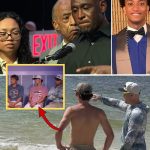
THE “GENTLEMAN’S AGREEMENT” — WHAT WAS KEPT OUT OF Karmelo Anthony’s TRIAL?

THE “GENTLEMAN’S AGREEMENT” — WHAT WAS KEPT OUT OF Karmelo Anthony’s TRIAL?
New court filings have brought an unusual pretrial agreement back into the spotlight in the Karmelo Anthony case. According to the filings, defense lawyers and Texas prosecutors agreed to keep certain potentially prejudicial information about both Anthony and Austin Metcalf out of the murder trial. Now, as Anthony’s new legal team seeks a new trial, that agreement is becoming part of the legal battle.
A DEAL MADE BEFORE THE TRIAL
Court documents describe what lawyers called a “gentleman’s agreement” between Anthony’s defense team and prosecutors.
The reported purpose was to keep the trial focused on what happened during the April 2, 2025 confrontation at Kuykendall Stadium in Frisco.
Under the agreement, both sides accepted restrictions on introducing certain character and background evidence.
WHAT DID THE AGREEMENT COVER?
According to the newly reported court filings, Anthony’s defense agreed not to introduce certain information about Austin Metcalf and his twin brother, including allegations involving bullying, violence and racism.
In return, prosecutors agreed not to present certain information concerning Anthony, including his school disciplinary history and cellphone records.
The defense also said it refrained from presenting substantial evidence concerning violence Anthony had allegedly witnessed or experienced in his home.
That agreement is now attracting attention because Anthony’s new attorneys argue that the circumstances surrounding the trial warrant another look.
WHY IS THIS MATTERING NOW?
Anthony was convicted in the killing of 17-year-old Austin Metcalf, who was fatally stabbed during a high-school track meet in Frisco.
Anthony’s defense had maintained that the stabbing was self-defense.
Now, his new legal team is pursuing a new trial and is also seeking the recusal of Judge John Roach, arguing that the judge’s public comments raised concerns about judicial impartiality.
PROSECUTORS DISPUTE THE IDEA THAT THE TRIAL WAS UNFAIR
The prosecution has pushed back against suggestions that it acted improperly.
Bill Wirskye, first assistant at the Collin County District Attorney’s Office, said the prosecution conducted the trial ethically and in accordance with court rulings and agreements with defense counsel.
That creates an important distinction:
The existence of the agreement is now documented, but whether it provides a legal basis for a new trial is a separate question for the court.
THE NEXT LEGAL BATTLE
Anthony’s attorneys are preparing for a recusal hearing in Texas.
If Judge Roach is removed from the case, his defense team intends to pursue a motion for a new trial.
Under Texas law, the court faces a deadline to rule on a new-trial motion following sentencing.
WHAT COULD HAPPEN NEXT?
The agreement raises several questions that the court may have to consider:
Did both sides voluntarily accept the restrictions? Were the limitations properly understood and agreed to?
Did excluding the information materially affect the defense?
And do the new allegations about judicial impartiality meet the legal standard for a new trial?
Those questions cannot be answered simply by the existence of the agreement.
THE CASE IS FAR FROM QUIET
What was once an agreement designed to keep potentially prejudicial information away from the jury is now itself part of the public debate surrounding Anthony’s conviction.
But one thing remains important:
A request for a new trial is not the same as being granted a new trial.
The court will ultimately have to determine whether Anthony’s legal arguments satisfy the requirements under Texas law.
A MURDER CONVICTION.
A PRETRIAL AGREEMENT.
NEW ATTORNEYS CHALLENGING WHAT HAPPENED.
AND A LEGAL FIGHT THAT IS NOT OVER.
This post summarizes publicly reported court filings and statements. The allegations made by either side remain subject to judicial review.