A HISTORIC RECKONING: THE LEGACY OF ELIZABETH KEY GRINSTEAD
A HISTORIC RECKONING: THE LEGACY OF ELIZABETH KEY GRINSTEAD
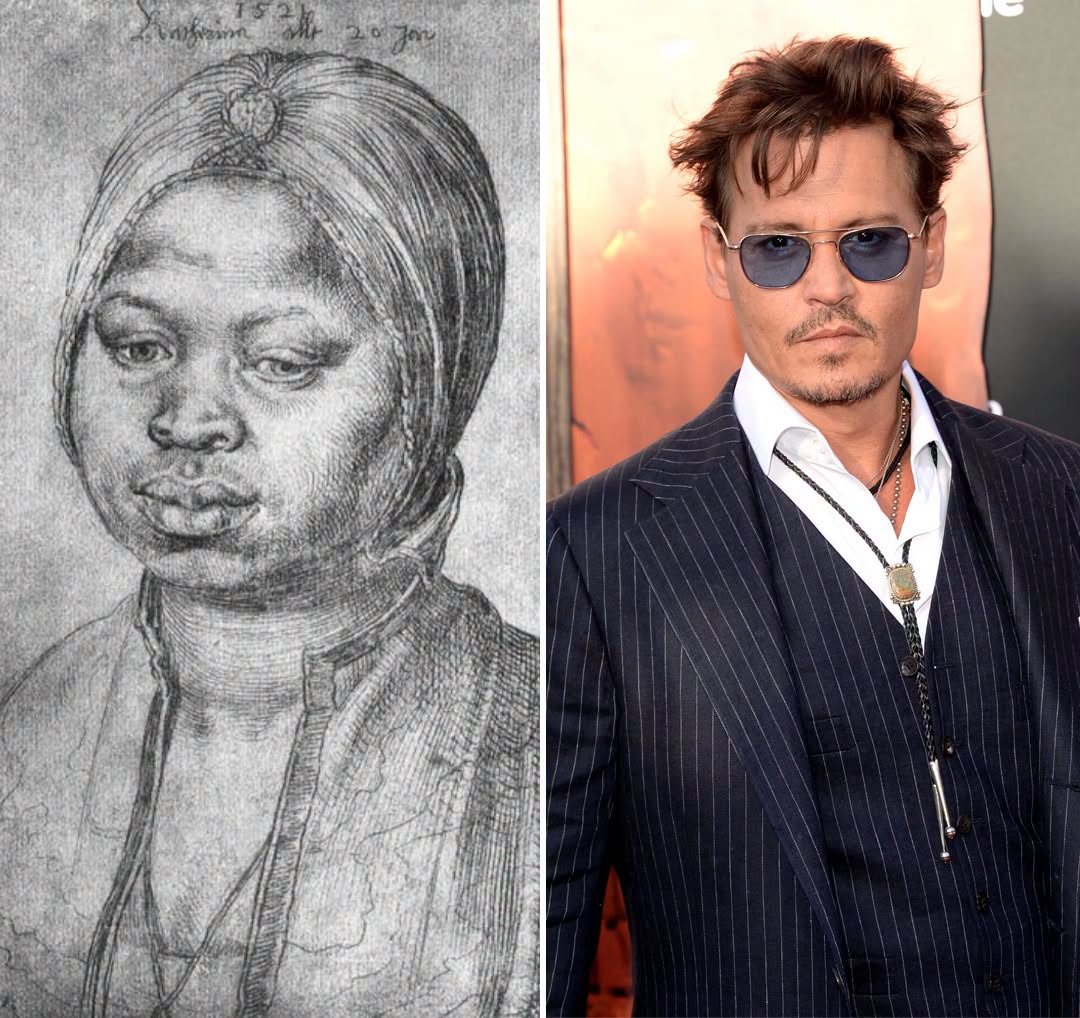
In 1656, a remarkable woman named Elizabeth Key Grinstead achieved what few of her era could: she successfully fought for her freedom in a colonial Virginia courtroom. Centuries later, modern genealogical research revealed that Elizabeth was the eighth great-grandmother of actor Johnny Depp. While this Hollywood connection brought renewed international attention to her name, her true place in history rests firmly on her pioneering courage and the legal precedent she established generations earlier.
Born around 1630 to an enslaved African woman and an English planter, Thomas Key, Elizabeth was originally bound by an indenture agreement that was supposed to limit her service to nine years. However, following the death of planter John Mottrom in 1655, she and her young child were inventoried as property within his estate. Refusing to accept perpetual bondage, Elizabeth challenged the estate’s claim in court.
Represented by William Grinstead, the father of her child, she based her legal arguments on three crucial pillars: her status as the daughter of a free English subject, her Christian baptism, and the explicit terms of her original indenture agreement. The legal fight was arduous, moving through local courts, an appeal, and review by Virginia’s General Assembly. On July 21, 1656, the court officially ruled in her favor, granting her freedom and compensation for her extra years of forced service. That same day, Elizabeth and William announced their intention to marry.
Her victory occurred just six years before Virginia enacted a 1662 statute dictating that a child’s legal status would follow the mother—effectively closing the legal pathway Elizabeth had successfully navigated. Her story endures as a landmark chapter in early American law and human resilience.