JON VENABLES FACES ANOTHER PAROLE HEARING — JAMES BULGER’S PARENTS SPEAK OUT AS KILLER’S BID FOR FREEDOM SPARKS FRESH OUTRAGE
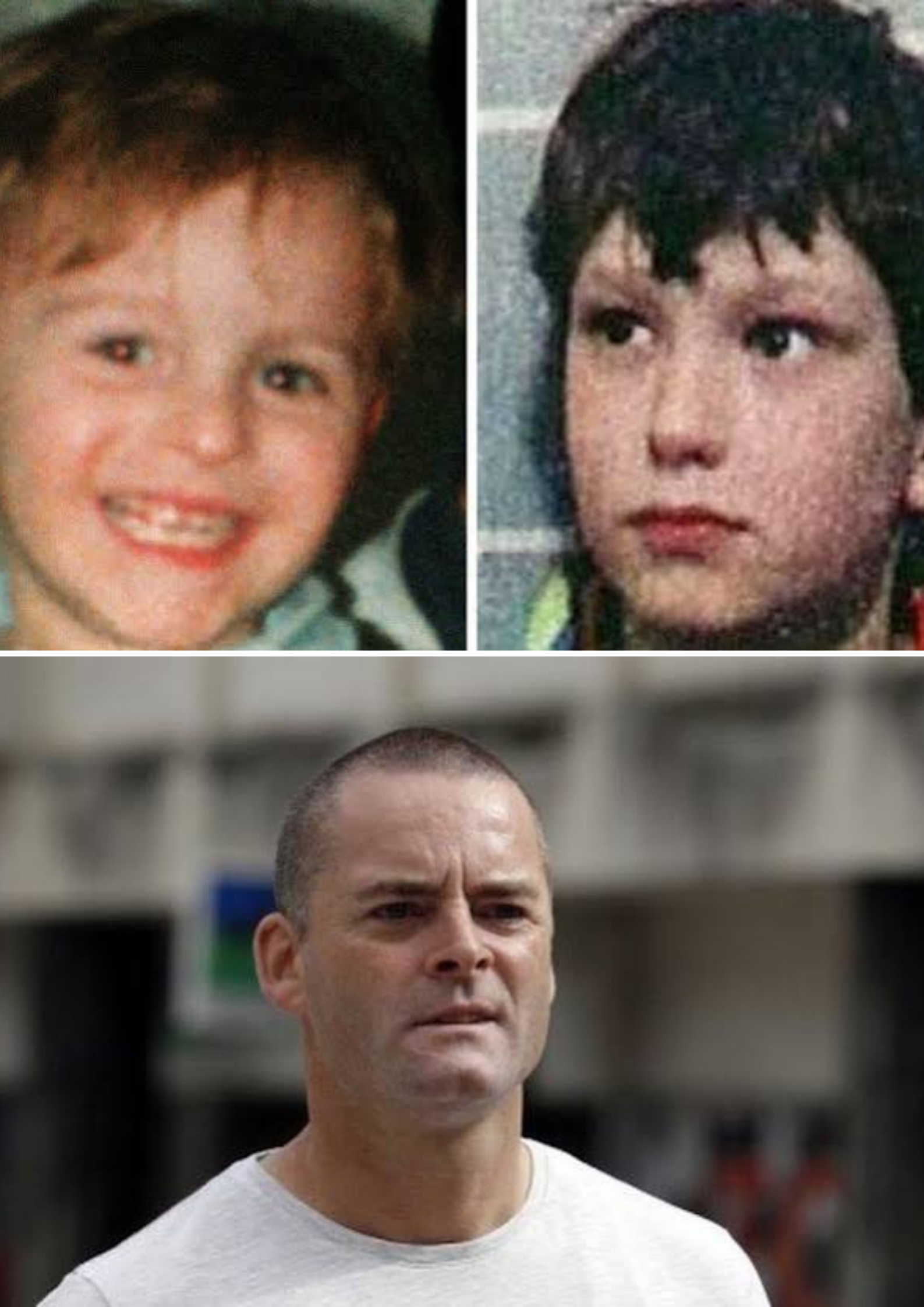
JON VENABLES FACES ANOTHER PAROLE HEARING — JAMES BULGER’S PARENTS SPEAK OUT AS KILLER’S BID FOR FREEDOM SPARKS FRESH OUTRAGE
More than 33 years after two-year-old James Bulger was taken from a shopping centre and killed, Jon Venables is facing another parole decision. But the choice to hold the hearing behind closed doors has left James’s parents questioning whether their voices are being heard.
The case that shocked Britain in 1993 has returned to the headlines, bringing renewed attention to the future of Jon Venables, one of the two boys convicted of murdering toddler James Bulger.
Venables, now 44, is seeking release from prison once again. His latest parole hearing is expected to take place this month, according to recent media reports, more than three years after his previous bid for freedom was rejected.
However, the proceedings have already become controversial. On September 28, 2026, the Parole Board confirmed that the hearing would remain private, rejecting applications from James’s family and media organisations seeking public access.
For James’s parents, Denise Fergus and Ralph Bulger, the decision has reopened painful questions surrounding a tragedy that has shaped their lives for more than three decades.
 JAMES BULGER WAS JUST TWO YEARS OLD
On February 12, 1993, James Bulger was at the New Strand Shopping Centre in Bootle, Merseyside, with his mother, Denise Fergus.
During their visit, Denise briefly became separated from her little boy. James was taken by two 10-year-old boys, Jon Venables and Robert Thompson.
The pair led James away from the shopping centre. His disappearance prompted an urgent search, and his body was discovered two days later near a railway line in Walton, Liverpool.
The case horrified the country, not only because of James’s young age but also because the two boys responsible were children themselves.
Venables and Thompson were arrested, tried and convicted of James’s murder in 1993. They became among the youngest people in modern British legal history to be convicted of such a serious crime.
Their identities and the details of the case attracted enormous public attention, while James’s parents began a lifelong struggle to preserve their son’s memory and seek answers about what happened.
BOTH BOYS WERE RELEASED IN 2001
Venables and Thompson were released on licence in June 2001 after serving time in custody. They were given new identities and legal protections intended to help them reintegrate into society while managing the risks associated with their release.
Thompson has remained out of the public eye since his release.
Venables, however, returned to prison twice because of later offences involving indecent images of children.
In 2010, he was recalled to custody after such images were discovered on his computer. He was released again in 2013.
In November 2017, he was returned to prison after another offence involving indecent images of children. His subsequent parole proceedings have focused not only on his original conviction but also on his later offending, his behaviour in custody and the risk he might pose if released.
These developments have remained central to the debate over whether he can safely return to the community.
 HIS PREVIOUS PAROLE BID WAS REJECTED IN 2023
Venables’s previous parole review ended in 2023, when the Parole Board decided he should remain in prison.
The decision followed consideration of evidence relating to his risk of reoffending and concerns about the danger he could pose to children.
The latest review means his case will be assessed again. It does not mean he has been granted release, and a new hearing is not a guarantee that he will leave prison.
The panel must consider the available evidence and determine whether the legal test for release has been met. That assessment can include his conduct in prison, his understanding of his offending, professional risk assessments and the arrangements that would be required to manage any risk in the community.
The decision could result in continued imprisonment or release under licence, subject to the panel’s findings.
Recent reports have also raised the possibility of a move to a less restrictive prison setting. Any such outcome would depend on the decision made through the relevant process and should not be treated as confirmed.
WHY JAMES’S FAMILY WANTED THE HEARING TO BE PUBLIC
In August 2026, applications were submitted asking for the latest parole hearing to be opened to public observation.
Denise Fergus and her husband, Stuart Fergus, argued that the case attracted exceptional public interest and that a public hearing could help people understand how parole decisions are reached.
They also said greater transparency could help address misinformation about the case, which they described as having a retraumatising effect on the family.
Separate representations were made on behalf of James and Ralph Bulger. Those submissions highlighted the wider public-interest questions raised by the case, including Venables’s later offending, the management of risk following his earlier release and the arrangements intended to protect his identity.
The applicants argued that sensitive evidence could still be considered in private sessions while other parts of the hearing were opened to public observation.
Their position was that a case with such a long history and such significant consequences deserved a process that could be examined more openly.
But the Parole Board ultimately refused the request.
WHY THE PAROLE BOARD REJECTED PUBLIC ACCESS
In its decision published on September 28, the Parole Board said the hearing would be conducted privately.
The board considered concerns that public proceedings could make it difficult for Venables to give evidence freely and safely, particularly because information disclosed during a hearing might be used by people seeking to identify or harm him.
Parole hearings are normally held in private, although public hearings are possible when the interests of justice justify them.
The decision does not mean the board has already decided whether Venables should be released. It concerns access to the hearing, not the final outcome of his parole review.
That distinction is important: the privacy ruling and the decision on his future are two separate matters.
Nevertheless, the refusal has intensified the family’s frustration, particularly because they had hoped to observe the proceedings and gain a clearer understanding of the evidence being considered.
RALPH BULGER CALLS THE DECISION AN INSULT
James’s father, Ralph Bulger, has publicly criticised the decision to keep the hearing private.
In comments reported by British media, Ralph described the ruling as an insult to the family and compared it to trampling over his son’s grave.
He expressed anger that the family’s feelings appeared to have carried insufficient weight in the decision and called for greater attention to their concerns.
Denise has also consistently spoken about the lasting impact of James’s death and her determination to keep his memory alive.
For the family, the issue is not simply whether the hearing takes place behind closed doors. It is also about trust in the process, the opportunity to understand the evidence and the reassurance that lessons from previous decisions have been considered.
Their concerns reflect a difficult question facing the justice system: how can the rights and safety of a prisoner be balanced with the needs of victims’ families and the public interest in understanding a high-profile parole decision?
WHAT COULD HAPPEN NEXT?
The Parole Board must now consider Venables’s case and decide whether he can be released safely under licence.
A decision to release him would not mean he could simply return to an unrestricted life. Release on licence in England and Wales can involve strict conditions, supervision and the possibility of recall to prison if those conditions are breached or concerns about risk emerge.
If the panel concludes that the risks cannot be managed adequately in the community, he can remain in custody.
The precise outcome of the current review should not be assumed before an official decision is announced.
Whatever the result, the case is likely to remain under intense public scrutiny because of the circumstances of James’s death and Venables’s subsequent return to prison.
For Denise and Ralph, however, the central issue is deeply personal. Their son was only two years old when his life was taken, and the consequences have followed them for more than three decades.
As the latest parole proceedings approach, their calls for transparency have brought the case back into the national conversation — and raised difficult questions about accountability, public protection and the place of victims’ families in the justice system.
Jon Venables has not yet been confirmed as released. The final decision on his parole remains separate from the ruling that his hearing must be held in private.
READ THE FULL STORY IN THE COMMENTS.