TWO LETHAL DOSES — AND SHE SURVIVED: THE UNANSWERED QUESTIONS BEHIND CHRISTA PIKE’S FAILED EXECUTION
TWO LETHAL DOSES — AND SHE SURVIVED: THE UNANSWERED QUESTIONS BEHIND CHRISTA PIKE’S FAILED EXECUTION
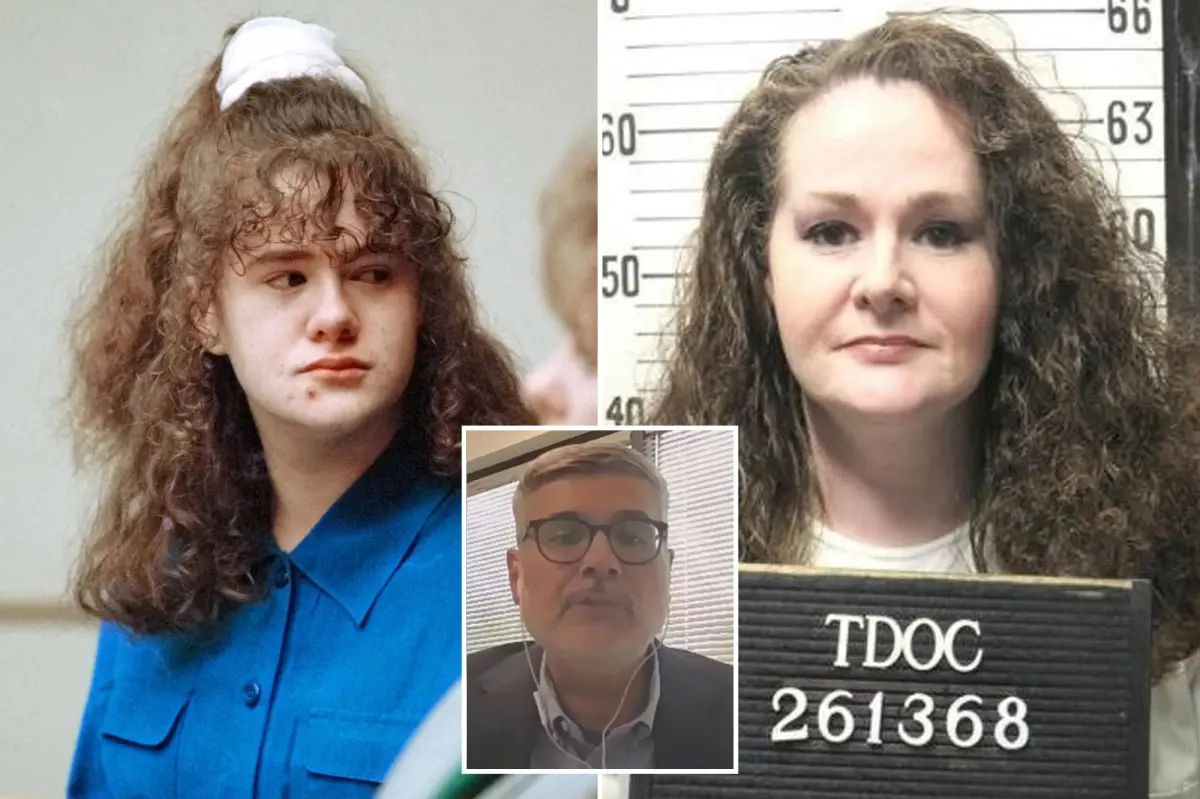
She was scheduled to become the first woman executed in Tennessee in more than 200 years. Instead, Christa Pike survived two doses of pentobarbital, suffered severe injuries to her arms and spent days unconscious in hospital. Now, as she begins to recover, questions about what happened inside the execution chamber are intensifying.
On September 30, 2026, what was supposed to be a routine lethal injection in Tennessee became an extraordinary medical and legal crisis.
Christa Pike, 50, had been sentenced to death for the 1995 murder of her classmate, Colleen Slemmer. But after officials administered two doses of pentobarbital, witnesses reported that Pike was still breathing and making snoring sounds.
The procedure continued for far longer than expected. Eventually, witnesses were escorted from the room, and Pike was taken to hospital.
She was alive.
In the days that followed, the questions multiplied. How could two doses of a drug intended to cause death fail to do so? Why were there reports of repeated attempts to establish intravenous access? And what happened to Pike’s arms during the procedure?
THE REPORTED STRUGGLE TO ESTABLISH AN IV
According to Pike’s legal team, establishing an intravenous line was a major difficulty during the attempted execution.
Her attorney, Randy Spivey, said he counted at least seven needle attempts in her left arm alone. He also reported seeing a needle that appeared bent when it was removed.
Pike’s lawyers later said she arrived at the hospital with both arms swollen, burned and blistered. They alleged that problems with the IV lines may have allowed the drug to leak into the surrounding tissue rather than enter her bloodstream as intended.
These are serious allegations, but the precise sequence of events and the cause of the injuries require independent examination.
Tennessee officials have maintained that the execution team followed the state’s established protocol. That position has not resolved the central question of why the procedure failed.
 HOW COULD TWO DOSES FAIL?
Pentobarbital is a powerful barbiturate used in some US lethal-injection protocols. When administered as intended, it depresses activity in the central nervous system and can suppress breathing.
But the outcome of an injection depends on more than the drug itself. The route of administration, whether the IV line is functioning correctly, how the drug enters the body and the patient’s medical condition can all matter.
Medical experts cited in recent reporting have suggested that a problem with the IV lines could have prevented the drug from reaching Pike’s bloodstream as intended. If some of the medication entered surrounding tissue instead, its absorption and effects could have differed from what the execution team expected.
That remains a possible explanation, not a confirmed conclusion.
Pike’s lawyers had raised concerns about her medical history before the execution, including a blood disorder associated with elevated platelet levels. They argued that her condition could complicate IV access and increase the risk of medical complications.
The exact contribution of her underlying health, the placement of the lines and the administration of the drug has yet to be fully established.
The evidence from the execution, including medical records and materials used during the procedure, will be important in determining what happened.
 DAYS UNCONSCIOUS — THEN AN UNEXPECTED RECOVERY
After the failed execution, Pike was admitted to hospital in critical condition and placed on a ventilator.
Her lawyers initially feared that she might never regain consciousness. Then, on October 6, they announced that she had awakened and begun speaking.
According to her attorney, her first questions included: “Where am I?” and “Who are you?”
The development surprised those who had been preparing for the possibility that she would not recover.
Her condition remained serious, however. Her legal team reported injuries to her arms, a blood clot and pneumonia, while concerns persisted about her concentration, cognition and psychological wellbeing.
By October 8, her attorneys said she had begun walking with assistance and eating again. They described her physical recovery as encouraging but stressed that the long-term effects remained uncertain.
Her ability to speak and move does not, by itself, establish the extent of any lasting neurological injury.
TENNESSEE FACES GROWING SCRUTINY
The failed execution has prompted renewed scrutiny of Tennessee’s lethal-injection procedures.
Governor Bill Lee ordered an independent review and halted further executions in the state for the remainder of 2026. The state’s prison chief also resigned following the incident.
A judge has ordered officials to preserve evidence connected to the execution, including relevant records and materials. Pike’s lawyers are seeking answers about the procedure and have raised concerns about whether her constitutional protections were violated.
The case has also revived broader questions about transparency in execution procedures, medical oversight and what officials should do if an execution does not produce the expected result.
State officials say protocol was followed. Pike’s legal team argues that the outcome and her injuries demand a closer examination. Establishing what happened will require evidence rather than assumptions.
WHAT HAPPENS TO CHRISTA PIKE NOW?
Pike’s death sentence has not automatically disappeared because the execution attempt failed. Her legal future remains uncertain, and her lawyers are seeking clemency while considering further legal action.
There is no confirmed new execution date in the latest reports. The state’s review and the preservation of evidence may help clarify what occurred, but neither the precise cause of the failed injection nor the full extent of Pike’s injuries has been conclusively established.
The case leaves a series of difficult questions: Why did the procedure last so long? What caused the injuries to her arms? And could the failure have been prevented?
For now, the answers remain incomplete.
What is known is that Pike survived an execution attempt involving two doses of pentobarbital, required intensive medical care and has since regained consciousness and begun taking steps toward recovery.
The investigation into what happened behind the closed curtain is now central to understanding how an execution intended to end a life instead became a medical emergency.