Nolan Xavier Wells Case: Head Injuries, Deleted Snapchat Messages and an Autopsy That Still Leaves Questions

Nolan Xavier Wells Case: Head Injuries, Deleted Snapchat Messages and an Autopsy That Still Leaves Questions
Three months after 18-year-old Nolan Xavier Wells was found dead near Mississippi’s Horn Island, forensic findings and recovered phone data continue to fuel his family’s demand for answers.
Nolan Xavier Wells had gone to Horn Island with friends to celebrate the Fourth of July in 2026. He never returned home. His body was found in the water on July 6, and the circumstances surrounding his death have since become the subject of intense public attention.
Both the Mississippi State Medical Examiner and a pathologist hired by Nolan’s family classified his cause and manner of death as undetermined. A Jackson County grand jury reviewed the evidence in September and declined to bring criminal charges, finding the available evidence consistent with drowning.
Yet Nolan’s family continues to question what happened during his final hours. Three details have drawn particular attention: injuries documented on the back of his head, the absence of water noted in parts of his respiratory and digestive systems, and Snapchat messages that were reportedly recalled or deleted. <Cite refs={[“turn373080news1″,”turn373080search9″,”turn373080news12”]}/>
What Did the Autopsy Reveal About Nolan’s Head Injuries?
The state autopsy documented two dark red-purple contusions beneath the scalp at the back of Nolan’s head. The report also noted that there were no skull fractures and no external scalp injuries.
Those findings confirm that bruising was present, but they do not establish how the injuries occurred, when they happened, or whether they contributed to his death.
Nolan’s family has sought further explanation for the injuries, while the grand jury considered the available forensic evidence during its review. Public reporting has not established a definitive explanation for the bruising.
The distinction matters. An unexplained injury can be an important investigative question, but it is not, by itself, proof of an assault or homicide. <Cite refs={[“turn373080news1″,”turn373080news12”]}/>
The Finding About Water in His Lungs
Another detail that attracted attention was the absence of water reported in Nolan’s lungs, airway and stomach.
Family representatives have questioned how that finding fits with the possibility that he drowned. But forensic experts caution against treating a single autopsy observation as a definitive answer: the absence of water in these areas does not, on its own, rule out drowning or establish that another person caused the death.
The state medical examiner ultimately classified the cause and manner of death as undetermined because the circumstances could not be established with sufficient certainty.
The family’s independent examination also reached an undetermined conclusion, with the pathologist noting limitations that included decomposition and difficulties associated with conducting a second autopsy.
As a result, the publicly available forensic findings leave important questions unanswered without conclusively supporting either a homicide finding or a definitive explanation of how Nolan entered the water. <Cite refs={[“turn373080news1″,”turn373080search8″,”turn373080search9”]}/>
What the Snapchat Records Actually Show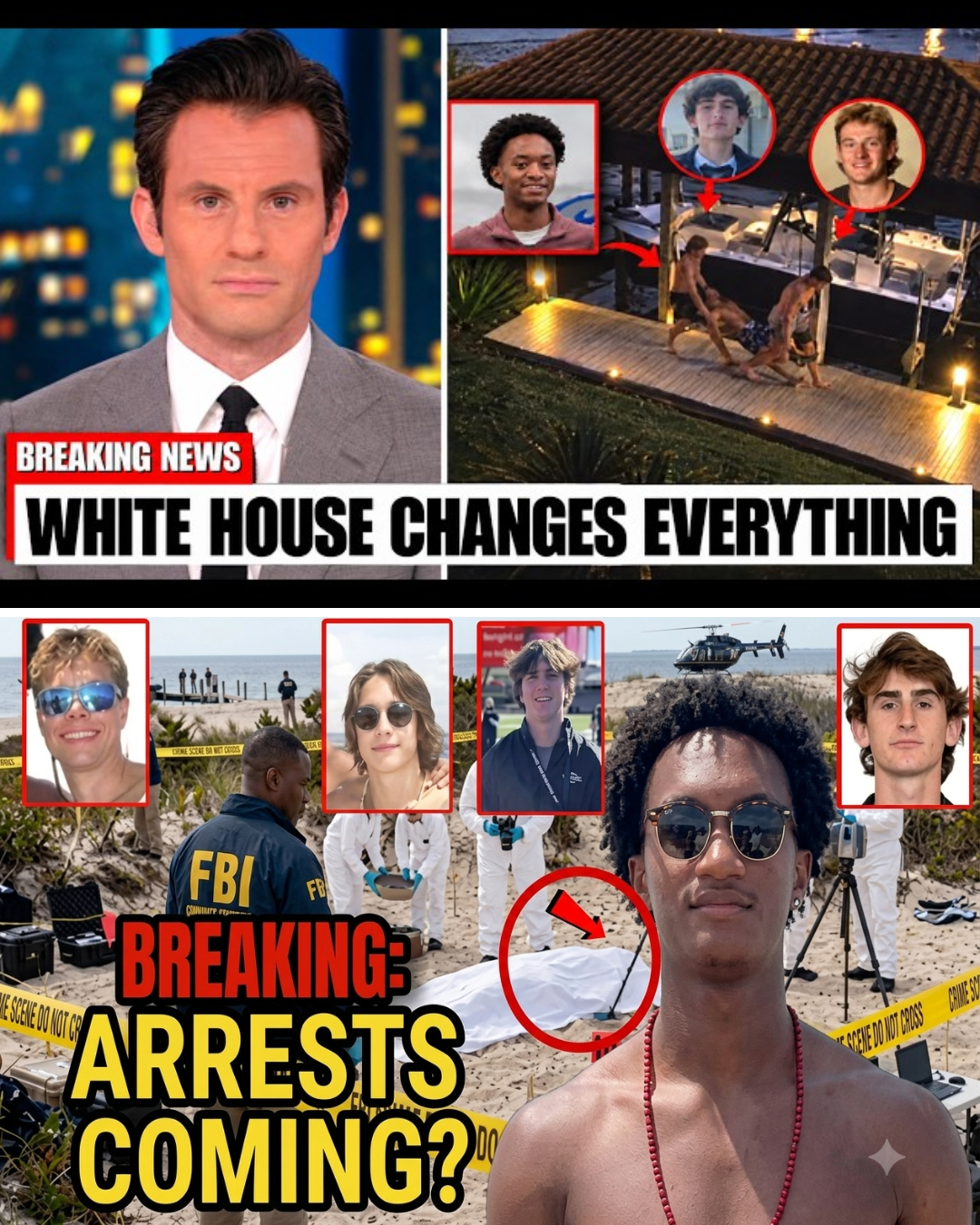
Digital forensic expert Andrew Garrett, whose firm examined Nolan’s phone for his family, presented data about the device’s activity and recovered Snapchat conversations.
The examination indicated that Nolan’s phone was last used around 2:17–2:18 p.m. on July 4. Garrett also reported that some Snapchat messages had been recalled or deleted.
That detail generated speculation about whether someone had accessed Nolan’s phone after his last recorded use. But Garrett subsequently clarified an important distinction: Snapchat users can remotely recall or delete messages from another participant’s conversation. The presence of deleted messages does not automatically mean someone physically unlocked Nolan’s phone and deleted information from it.
Garrett said the forensic findings showed message deletions, but he did not claim that the data established who initiated them or why.
The phone records may help investigators reconstruct communications and timing. They do not, by themselves, establish criminal intent or identify a person responsible for Nolan’s death. <Cite refs={[“turn373080news2″,”turn373080search10″,”turn373080search11”]}/>
Why Nolan’s Family Is Still Seeking Answers
Nolan’s parents have continued to challenge the conclusion that the available evidence is sufficient to close the matter. Their attorney, Ben Crump, has called for further investigation, and the family has asked federal authorities to examine the circumstances surrounding Nolan’s death.
In early October, the family renewed its request for a federal investigation involving the National Park Service, which manages Horn Island as part of Gulf Islands National Seashore. President Donald Trump also said he was considering asking the FBI to look into the case. Those developments did not, by themselves, establish that a new independent investigation had formally begun. <Cite refs={[“turn373080news7″,”turn373080news13”]}/>
The family’s concerns remain distinct from the findings of local authorities. The grand jury declined to indict anyone, and the FBI said it had found no evidence of foul play or a crime in its involvement in the case, according to reporting by People.
The family nevertheless believes further scrutiny is warranted, particularly regarding the unexplained head injuries and the timeline reconstructed from Nolan’s phone.
What Happens Next?
For now, the central forensic questions remain unresolved. The autopsy has not established a definitive cause or manner of death, the origin of Nolan’s head injuries has not been conclusively explained in public reporting, and the recovered Snapchat data has not established that anyone tampered with his phone.
Those uncertainties explain why the case continues to draw attention. They do not justify treating suspicions as proven facts or accusing individuals who have not been charged.
Nolan was 18 when he died. His family is still seeking a clearer account of his final hours, while investigators’ conclusions and the family’s concerns remain sharply different.
Did the available evidence fully explain what happened to Nolan Wells on July 4, 2026—or are there still questions that investigators need to answer?