STAR HOBSON’S MOTHER FRANKIE SMITH RELEASED FROM PRISON — SIX YEARS AFTER THE TODDLER’S DE@TH, A FAMILY’S HEARTBREAK RETURNS TO THE HEADLINES
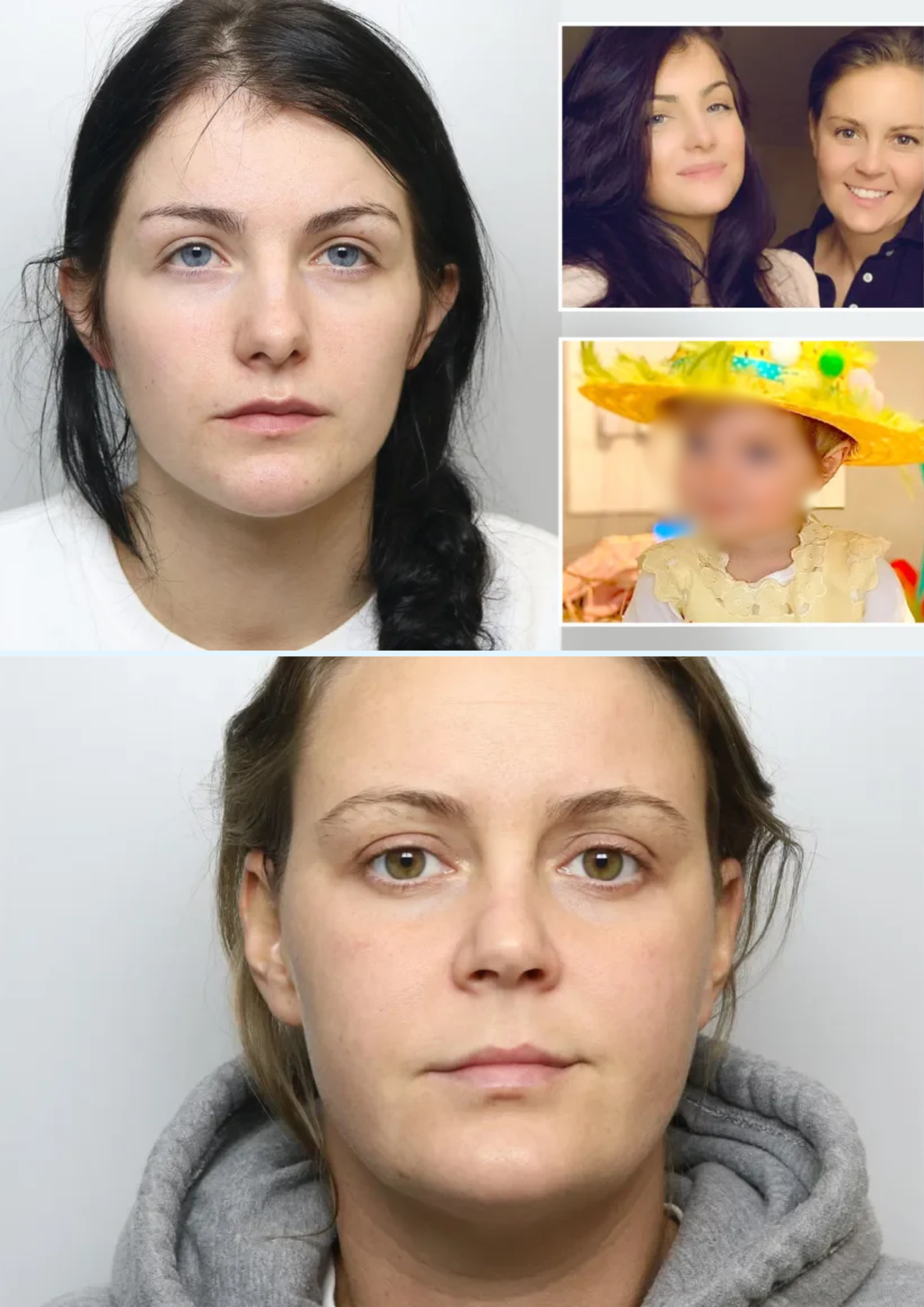
STAR HOBSON’S MOTHER FRANKIE SMITH RELEASED FROM PRISON — SIX YEARS AFTER THE TODDLER’S DEATH, A FAMILY’S HEARTBREAK RETURNS TO THE HEADLINES
The release of Frankie Smith has renewed attention on one of Britain’s most distressing child-protection cases. Star Hobson was just 16 months old when she died in 2020, and her story continues to raise painful questions about accountability, safeguarding and justice.
The tragic case of Star Hobson has returned to the spotlight following the release of her mother, Frankie Smith, from prison on licence.
Smith, now 25, was convicted of causing or allowing the death of her 16-month-old daughter. Her release, confirmed by the Ministry of Justice in October 2026, has prompted renewed public discussion about the sentence she received and the circumstances surrounding Star’s death.
For those who remember the little girl, the news is more than another legal development. It is a painful reminder of a child whose life ended before she had the chance to grow up.
 A little girl whose life ended at just 16 months
Star died on September 22, 2020, after suffering catastrophic injuries at her home in Keighley, West Yorkshire.
Her mother’s partner, Savannah Brockhill, was convicted of murdering the toddler. During the trial, the court heard evidence that Star had suffered repeated injuries and mistreatment before her death.
The prosecution described a pattern of abuse that culminated in fatal abdominal injuries. Star was taken to hospital, but her injuries were too severe for her to survive.
The case shocked the country, not only because of the child’s age but also because concerns about her welfare had reportedly been raised before she died.
The proceedings brought painful details about Star’s final months into public view and prompted questions about whether the warning signs had been recognised and acted upon in time.
 What happened to Savannah Brockhill and Frankie Smith?
Brockhill was found guilty of murdering Star and was sentenced to life imprisonment, with a minimum term of 25 years before she can be considered for parole.
Smith was cleared of murder and manslaughter but convicted of causing or allowing the death of a child.
She was initially sentenced to eight years in prison. In 2022, the Court of Appeal increased that sentence to 12 years after determining that the original term was unduly lenient.
The distinction between the two convictions is important. Brockhill was convicted of murder, while Smith’s conviction concerned her failure to protect her daughter from the circumstances that led to her death.
During sentencing, the judge emphasised the responsibility Smith had as Star’s mother to keep her daughter safe.
The case remains a deeply painful example of the devastating consequences when a vulnerable child is not adequately protected.
Frankie Smith’s release sparks renewed debate
Reports published in October 2026 confirmed that Smith had been released from prison on licence after serving less than half of her 12-year sentence in custody.
The Ministry of Justice stated that her release was not part of the recent early-release scheme. It also reiterated that people released on licence must comply with strict conditions and can be returned to prison if they breach them.
Release on licence does not erase a conviction or cancel the remainder of a sentence. Instead, it allows a person to serve the remaining portion of their sentence in the community under legally enforceable conditions.
Nevertheless, the development has prompted strong reactions, with renewed discussion about sentencing, the purpose of imprisonment and how the justice system responds to offences involving children.
For Star’s relatives, the issue is profoundly personal. No sentence or subsequent legal decision can restore the little girl they lost.
Concerns about child protection remain part of Star’s legacy
One of the most troubling aspects of the case was the evidence that concerns about Star’s welfare had been raised before her death.
During the trial and subsequent reviews, attention focused on reports made to authorities by people worried about the toddler’s safety.
The case contributed to wider scrutiny of how social services, police and other agencies respond when concerns about a child are reported.
It also raised difficult questions about how information is shared, how professionals assess risk and what should happen when concerns persist.
The tragedy became part of a wider national conversation about child safeguarding, alongside other cases that have exposed weaknesses in the systems designed to protect vulnerable children.
For many people, Star’s story remains a reminder that concerns about a child’s welfare must be taken seriously and assessed carefully.
Remembering Star beyond the headlines
Amid the renewed debate surrounding Smith’s release, the little girl at the centre of the case must not be forgotten.
Star was only 16 months old. She never had the opportunity to attend school, build friendships as she grew older or experience the many milestones that families hope to share with their children.
Her death left a lasting mark on those who loved her and shocked people across the country.
While the latest development has renewed arguments about punishment and release on licence, Star’s short life remains the heart of the story.
The questions raised by her death extend beyond one family or one court case: how can vulnerable children be protected more effectively, how should warnings be handled, and what lessons must be learned when safeguarding systems fail?
For those who continue to remember Star, the answers matter because other children deserve the protection she did not receive.
Star Hobson was more than a name in a headline. She was a little girl whose life mattered, and her story remains a painful reminder of the importance of protecting every child.