LUCY LETBY CASE: WHY THE DEBATE OVER HER CONVICTIONS CONTINUES
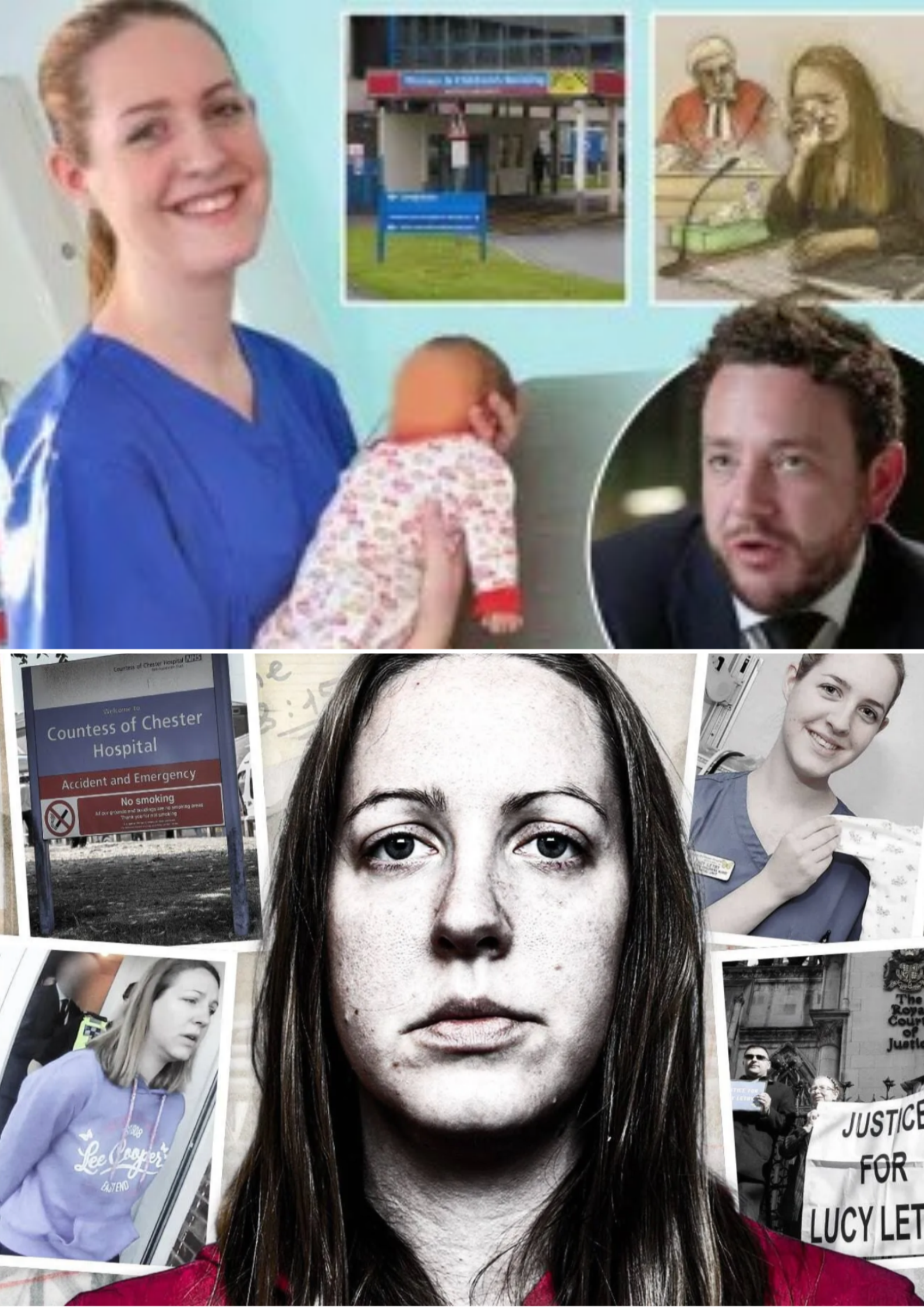
LUCY LETBY CASE: WHY THE DEBATE OVER HER CONVICTIONS CONTINUES
Lucy Letby remains convicted and imprisoned — but renewed scrutiny of the medical evidence and failures inside the hospital where babies died has kept one of Britain’s most controversial criminal cases in the spotlight.
The former neonatal nurse was convicted of murdering seven babies and attempting to murder seven others at the Countess of Chester Hospital between 2015 and 2016.
She was given whole-life prison terms. In 2024, she was also convicted after a retrial of the attempted murder of another baby, bringing the total number of attempted-murder convictions to eight. The Court of Appeal later rejected her challenge to that additional conviction.
Letby has consistently maintained her innocence.
Now, however, the case is being examined from several different directions — including a formal review by the Criminal Cases Review Commission and continuing criticism from some medical and scientific experts.
 THE CASE AGAINST LETBY
The prosecution case at trial was built around evidence concerning a series of sudden collapses and deaths in the neonatal unit.
Prosecutors argued that Letby deliberately harmed babies in her care, including through alleged insulin poisoning in two cases.
The jury accepted the prosecution’s case and convicted her.
Her appeals against the original convictions were unsuccessful. The Court of Appeal has also rejected her challenge concerning the later Baby K conviction.
The convictions therefore remain legally in force.
But questions about how some of the medical evidence was interpreted have continued to generate controversy.
 EXPERTS HAVE QUESTIONED PARTS OF THE MEDICAL EVIDENCE
A number of doctors and scientists have publicly challenged aspects of the evidence presented at Letby’s trials.
One prominent group of experts has argued that some of the babies’ collapses could potentially have had natural or medical explanations rather than being the result of deliberate harm.
Those arguments do not amount to a court finding that Letby is innocent.
However, they have become central to her defence team’s attempt to persuade the Criminal Cases Review Commission that the convictions should be reconsidered.
The CCRC confirmed in February 2026 that its review of Letby’s convictions was underway. The commission stressed that it does not decide whether someone is guilty or innocent; its role is to determine whether new evidence or arguments create a real possibility that a conviction might not be upheld if referred back to an appeal court.
THE THIRLWALL INQUIRY FOUND SERIOUS HOSPITAL FAILURES
A separate development has added another layer to the debate.
On September 15, 2026, Lady Justice Kathryn Thirlwall published the final report of the public inquiry into what happened at the Countess of Chester Hospital.
The inquiry found profound failures in management, governance and safeguarding.
It concluded that some deaths and collapses could have been avoided if safeguarding procedures had been followed and concerns had been acted upon sooner.
The report described a hospital where leadership and clinicians were disconnected and where staff did not properly understand when safeguarding procedures should be triggered.
But the inquiry was not an appeal hearing and did not overturn Letby’s convictions.
Its purpose was to examine how the hospital responded to concerns, how babies and families were protected, and how the NHS systems responsible for safeguarding functioned.
TWO DEFENCE EXPERTS HAVE NOW WITHDRAWN
The debate has also become more complicated for Letby’s defence.
In September 2026, two scientists who had been involved with the defence withdrew over concerns about the scientific credibility of some arguments being advanced.
The experts said certain arguments were inconsistent with available evidence, established science and physiology.
Their withdrawal does not resolve the wider dispute over Letby’s convictions, but it demonstrates that there are disagreements even among people examining the case from a perspective sympathetic to renewed scrutiny.
THE NEWEST DISPUTE INVOLVES THE INSULIN CASES
Recent reporting has focused particularly on Babies F and L, two infants whom prosecutors said had been poisoned with insulin.
A recent investigation by The Sun reported that medical records concerning Baby F contained glucose readings that were not included in the prosecution’s presentation of the case.
The newspaper reported that experts reviewing the material believe those additional readings could be relevant to alternative medical explanations.
These claims remain part of an ongoing dispute over the evidence and have not resulted in Letby’s convictions being overturned.
SO, WHAT HAPPENS NEXT?
For now, there has been no judicial finding that Lucy Letby was wrongly convicted.
At the same time, the CCRC’s review means the case is not simply closed from a legal-review perspective.
The commission says it is assessing a substantial volume of material, including expert reports and submissions provided by Letby’s legal team. Its review was still underway as of February 2026.
If the CCRC eventually decides there is a real possibility that one or more convictions would not be upheld, it could refer the case back to the Court of Appeal.
That decision has not been made.
For now, the central question remains unresolved in the public debate: were the medical events interpreted correctly at trial, or could some of the evidence support alternative explanations?
The courts have answered the criminal case through convictions.
The scientific and legal review surrounding those convictions, however, is still continuing.