Christa Pike Returns to Prison After Surviving Failed Execution — Serious Questions Remain About What Happened
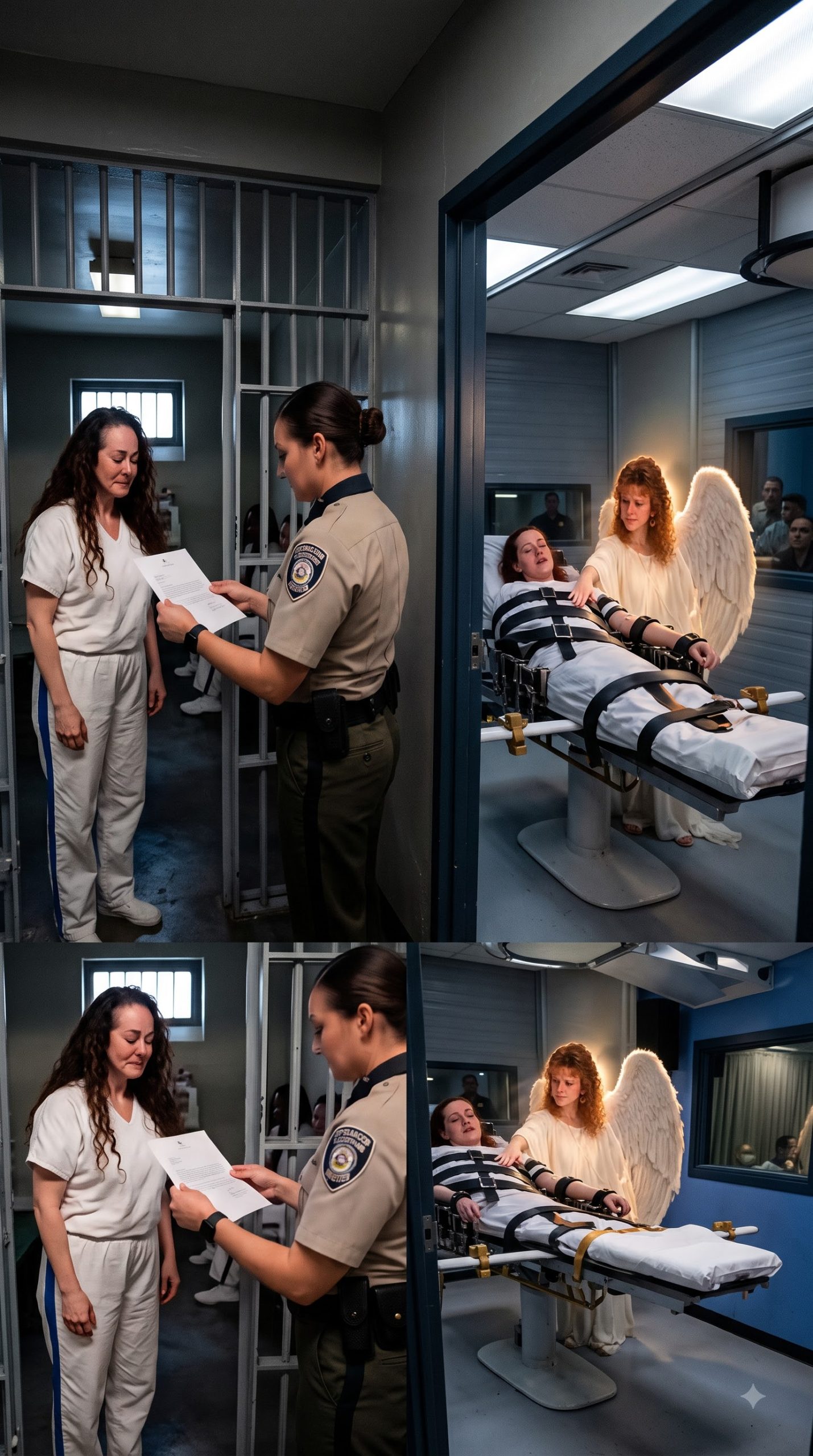
Christa Pike Returns to Prison After Surviving Failed Execution — Serious Questions Remain About What Happened
Ten days after Tennessee’s attempt to execute her by lethal injection failed, Christa Pike is back in prison. But her return raises a new question: Will the state ever fully explain what went wrong?
Pike, 50, was discharged from the hospital and transferred back to the Debra K. Johnson Rehabilitation Center in Nashville on October 10, according to her attorneys. She had been hospitalized since September 30, when Tennessee administered two doses of pentobarbital during an execution attempt that did not result in her death. <Cite refs={[“turn151747search1″,”turn151747news11”]}/>
Her return to prison marks a major development in a case that has drawn renewed attention to the reliability of lethal-injection procedures, emergency medical response inside correctional facilities, and the legal consequences of an unsuccessful execution.
A Medical Emergency Followed the Failed Procedure
Pike’s attorneys reported that she was unconscious and required a ventilator after the execution attempt. In the following days, they described serious injuries, including swelling and damage to her arms, as well as concerns about her ability to recover.
By October 8, her lawyers said she had regained consciousness, was speaking, could walk short distances with assistance and had begun eating again. Her subsequent hospital discharge was another sign of progress, although her attorneys said she continued to require medical care. <Cite refs={[“turn151747news11″,”turn151747search10″,”turn151747search1”]}/>
The medical details remain important because hospital discharge does not establish that all injuries have healed or that long-term complications have been ruled out.
It is also important to distinguish the statements made by Pike’s attorneys from a complete, independently verified medical assessment. Tennessee officials have not publicly provided a definitive explanation for why the execution attempt failed.
New Questions About the Emergency Response
The controversy grew further after the Associated Press reported on October 13 that newly obtained 911 recordings documented confusion over emergency assistance following the failed execution.
According to the recordings, the initial emergency call was received at approximately 8:40 p.m. on September 30. At 9:03 p.m., a dispatcher reportedly said emergency communications supervisors had been told the call was false and that medical assistance was unnecessary.
Prison officials confirmed the emergency at approximately 9:11 p.m., after which responders began being admitted through the gates. The recordings therefore raise questions about a delay of roughly 31 minutes between the initial call and confirmation that emergency personnel should enter the prison. <Cite refs={[“turn151747news3″,”turn151747search2”]}/>
The recordings do not establish who supplied the disputed information or whether the delay caused additional harm. Those questions require further investigation.
Nevertheless, the reported timeline has intensified scrutiny of how medical emergencies are verified inside prisons and what procedures should apply when an execution goes wrong.
What Could Have Caused the Execution to Fail?
Medical experts cited by the Associated Press have discussed several possible explanations, including problems with intravenous access and the possibility that the drug did not enter Pike’s bloodstream as intended.
These remain possible explanations, not established findings. The precise cause cannot be determined from the public reporting alone.
The distinction matters because the failure of the injection and the subsequent emergency response are separate issues. Investigators must establish both what happened during the procedure and whether the response that followed complied with applicable protocols.
Tennessee officials have said the incident is under review, but a definitive public account of the failure has not yet been provided in the sources reviewed for this article. <Cite refs={[“turn151747news11″,”turn151747news3”]}/>
The Legal Fight Is Far From Over
Pike’s attorneys have challenged the state’s execution procedures. A judge has also ordered Tennessee officials to preserve evidence related to the failed attempt, including records and other materials that could become relevant in court.
The evidence may help attorneys reconstruct the procedure, assess the medical response and determine whether any legal protections were violated. The existence of the court order, however, does not itself prove misconduct by state officials.
The failed execution has also renewed broader debate about whether a state should be permitted to make another attempt after an unsuccessful procedure. That question involves legal arguments, constitutional protections and the specific facts established through future proceedings.
Pike’s death sentence remains in effect, and no new execution date has been announced in the reporting reviewed here.
What Happens Next for Christa Pike?
Pike’s return to prison does not resolve the central questions surrounding September 30.
Her medical recovery remains an ongoing concern, while her legal team continues to challenge the circumstances of the execution attempt. The reported emergency-response delay adds another issue that authorities may need to address.
For Tennessee, the challenge is to establish a reliable account of what happened, explain why the procedure failed and clarify whether emergency protocols were followed.
For Pike, the immediate reality is that she has survived the execution attempt and returned to custody while the legal proceedings continue.
The biggest unanswered question remains: Can Tennessee explain what happened on September 30 — and what will that explanation mean for the future of Pike’s death sentence?