YEARS LATER, ONE OLD POLICE FILE IS BACK IN THE SPOTLIGHT — AND IT STARTS WITH KELLY MATTHEWS
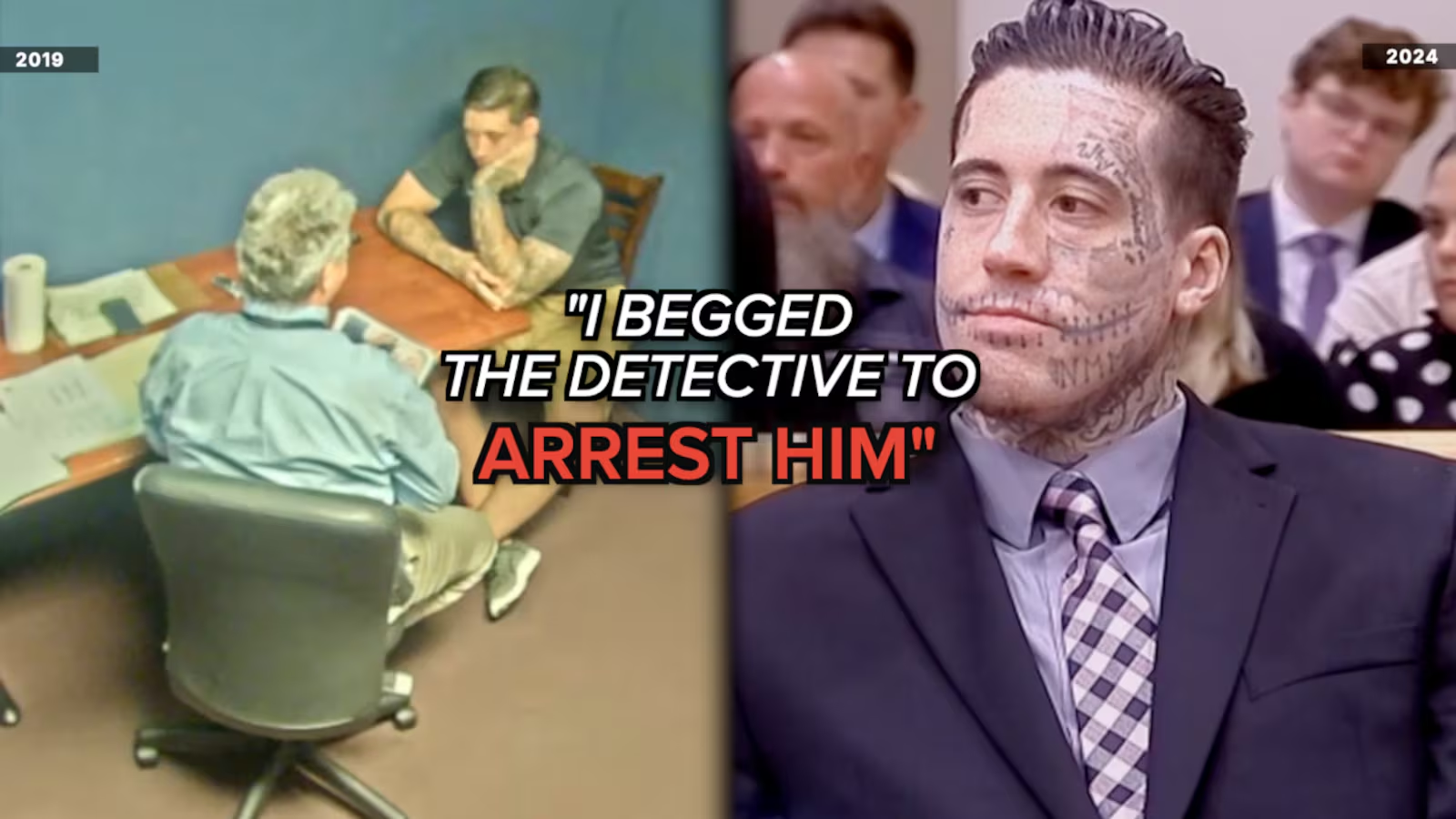
YEARS LATER, ONE OLD POLICE FILE IS BACK IN THE SPOTLIGHT — AND IT STARTS WITH KELLY MATTHEWS
Before Wade Wilson became a convicted killer, a woman says she was already warning police about him.
Long before Netflix viewers knew the name Wade Wilson, Kelly Matthews was trying to get law enforcement to listen to hers.
In February 2019, Matthews reported that Wilson, her former boyfriend, had assaulted, kidnapped and raped her.
She told police about injuries she said she suffered during the alleged attack, including marks on her wrists and ankles, marks around her neck, a bite mark, a bloody nose and a split lip.
She sought medical attention.
And she asked police to intervene.
Years later, that investigation has become the focus of renewed attention after a Netflix docuseries placed the case — and the detective who handled it — back in front of a national audience.
The detective was Louis Potter of the Palm Beach County Sheriff’s Office.
And what happened to Matthews’ case would eventually become part of a much bigger question:
Was the investigation handled the way it should have been?
MATTHEWS WANTED WILSON ARRESTED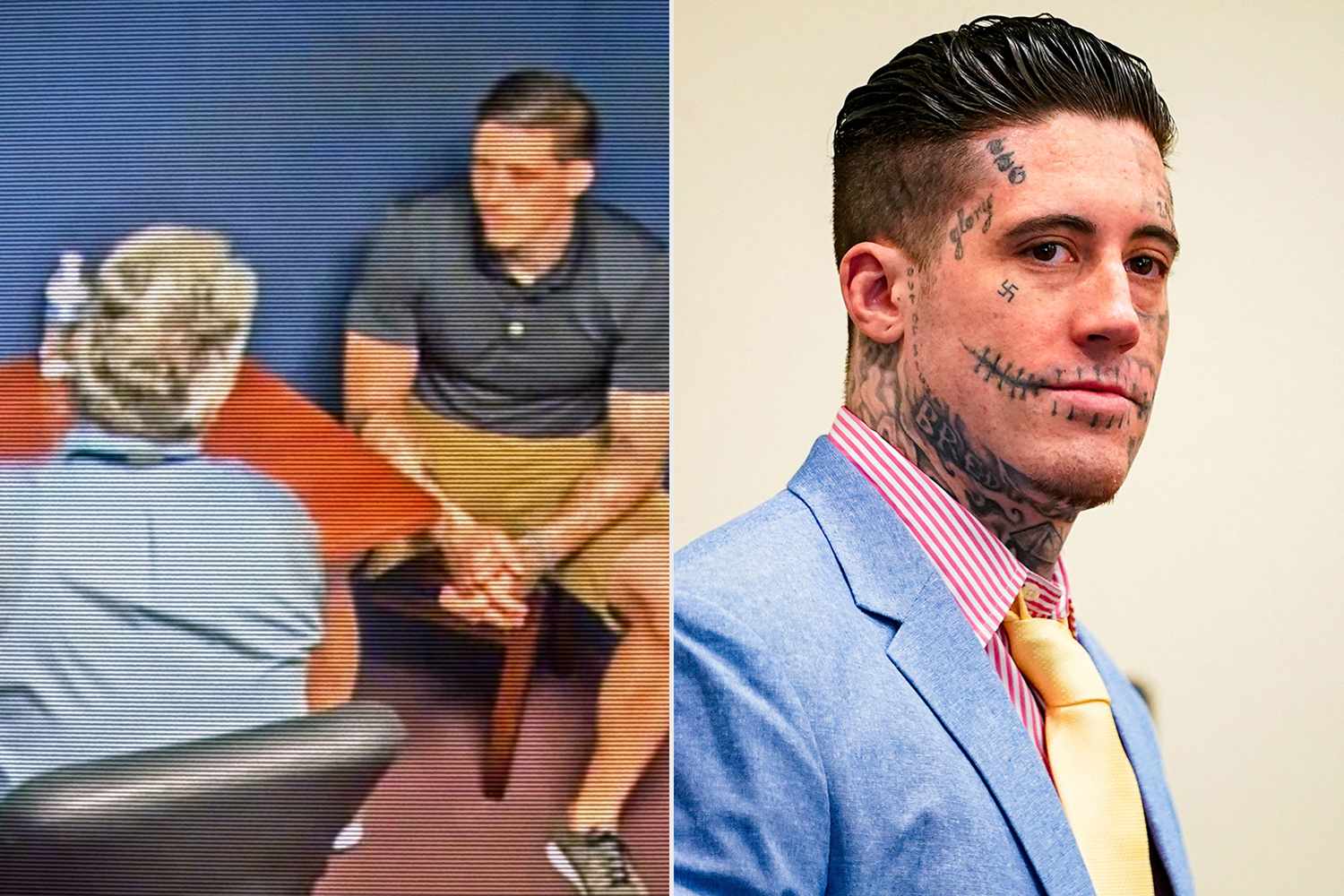
Matthews has said she wanted Wilson detained after reporting the alleged attack.
According to her account, she believed he was dangerous and wanted law enforcement to act.
Potter investigated the allegations.
Wilson denied them.
The detective also collected Wilson’s DNA.
At first, the case appeared to be moving through the normal investigative process.
But 34 days later, Potter closed the case.
There was one problem.
The laboratory results from the DNA collection had not yet come back.
According to the later internal affairs investigation obtained by WPTV, when those results eventually returned and indicated Wilson’s DNA was present at the scene, Potter did not follow up on them.
That decision is now one of the central details in the renewed scrutiny.
THE REPORT SAID THERE WAS NOT ENOUGH TO ARREST HIM
Potter’s original report stated there were no witnesses or evidence establishing probable cause for an arrest, while Wilson denied the allegations.
That was the basis on which the investigation was closed.
But years later, the Palm Beach County Sheriff’s Office reviewed how the case had been handled.
The internal investigation reached a different conclusion about the adequacy of the investigation.
According to WPTV, investigators found that Potter had failed to conduct a thorough sex-crimes investigation.
They also found that he failed to follow up on the DNA results and did not seek an arrest for dating violence.
Potter was eventually suspended without pay for 120 hours and reassigned to administrative duties.
PBSO said he had used poor discretionary judgment and failed to follow established agency procedures.
THEN CAME THE MURDERS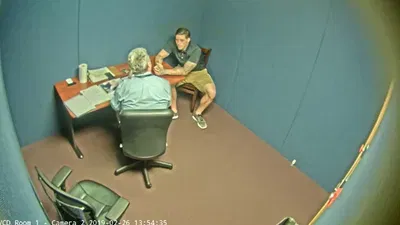
The timing is what makes the old investigation so difficult to ignore.
Months after Matthews reported the alleged attack, Wilson was accused of killing Kristine Melton and Diane Ruiz in 2019.
He was ultimately convicted of both murders and sentenced to death.
Suddenly, people began looking backward.
At the earlier complaint.
At the police interview.
At the DNA.
At the decision to close the investigation.
And at what might have happened if the case had been handled differently.
But there is an important limit to what can be established.
No investigation has proved that arresting Wilson in February 2019 would have prevented the later murders.
That is a question of possibility, not a documented fact.
Former Palm Beach County State Attorney Dave Aronberg has also cautioned against judging the 2019 decisions entirely through hindsight, while saying his office would have examined the matter more closely had the case been referred.
THEN NETFLIX SHOWED THE INTERVIEW
The documentary introduced another element to the story.
Viewers saw Potter questioning Wilson about Matthews’ allegations.
During the interview, Potter explained that he had to give Wilson an opportunity to deny the accusations and said he had to believe Wilson’s response.
Wilson thanked him.
For people watching the documentary years later, the exchange was striking.
For Matthews, it was deeply personal.
She told WPTV that she had not known about those comments until she saw the Netflix documentary herself.
The footage gave her a new look at an investigation she had lived through years earlier.
And suddenly, a case that had been largely buried in old records was being discussed again.
MATTHEWS DID NOT LET THE CASE DISAPPEAR
After Wilson’s murder trial, Matthews filed a complaint against Potter.
In the complaint, she argued that if Wilson had been arrested, he might not have gone on to kill two women.
That remains her belief.
It is not an established finding that the murders would have been prevented.
But her complaint triggered an internal investigation.
And that investigation gave the renewed controversy something more concrete than online speculation.
It documented specific shortcomings in the handling of the original case.
For Matthews, the issue was never simply about Wilson’s later notoriety.
It was about what she says happened when she first asked for help.
She has said the experience damaged her trust in law enforcement.
THE SHERIFF’S OFFICE HAS ALREADY DISCIPLINED POTTER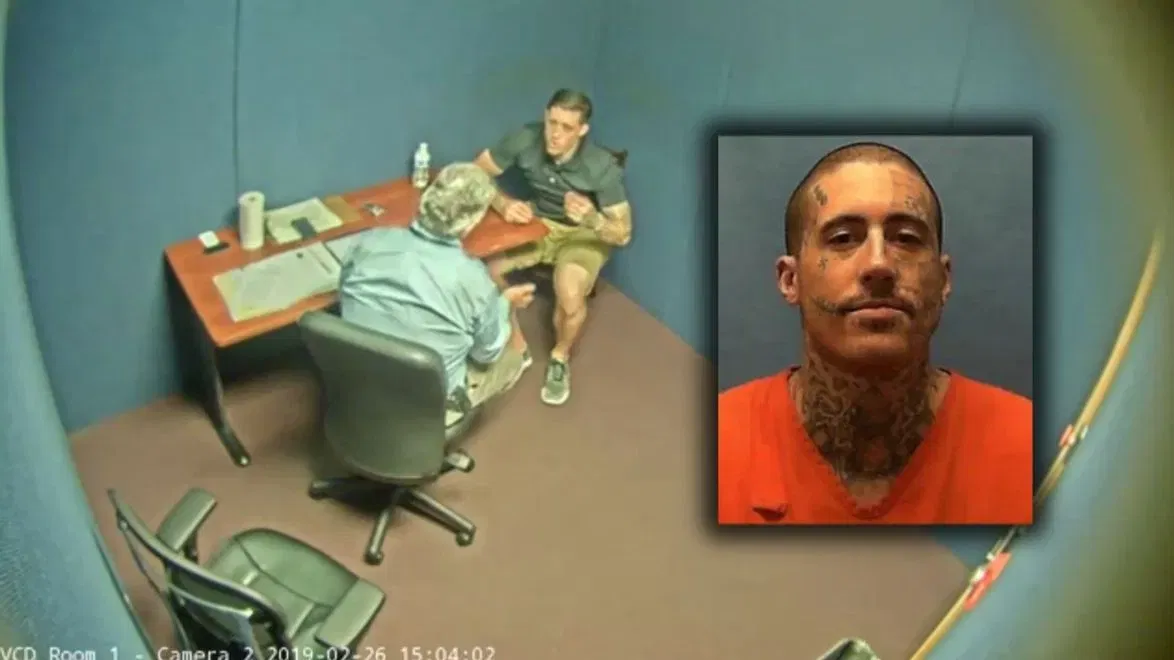
The renewed Netflix attention has prompted calls from some viewers for Potter to be fired.
A public petition calling for his termination has reportedly collected more than 16,000 signatures, according to WPTV.
But PBSO has said Potter will not be fired over the renewed attention.
The department previously disciplined him following the internal investigation.
He was suspended without pay and reassigned to administrative work.
Now, Potter is preparing to retire from the Palm Beach County Sheriff’s Office, effective July 31, 2026.
He has not responded to WPTV’s requests for comment, according to the station.
THE PART THAT STILL CANNOT BE ANSWERED
There is one question hanging over the entire story.
If the DNA results had returned before the case was closed, would the investigation have taken a different direction?
Would Wilson have been arrested?
Would prosecutors have received the case?
And, ultimately, would anything have changed?
There is no reliable way to know.
The later murders make those questions emotionally powerful, but they do not provide proof of an alternative outcome.
What can be documented is much narrower — and still significant.
Matthews reported serious allegations.
Wilson denied them.
Police collected his DNA.
The case was closed before the laboratory results returned.
The results later indicated his DNA was present.
An internal investigation found that Potter failed to follow up and had not conducted a thorough sex-crimes investigation.
Potter was disciplined.
And years later, Netflix brought the original interview back to public attention.
THE WOMAN WHO STARTED THIS PART OF THE STORY
For much of the public, Wade Wilson’s name is associated with the two women he was convicted of killing.
For Kelly Matthews, his name carries a different memory.
She remembers the relationship.
The alleged attack.
The injuries.
The decision to report it.
And the detective she says she begged to intervene.
Now, years later, millions of viewers are seeing part of that story for the first time.
Matthews has described the renewed attention as a relief because she believes the full story is finally being heard.
But the renewed scrutiny also leaves a difficult distinction:
Accountability for what investigators actually did is one question.
Knowing what would have happened if they had acted differently is another.
The first can be examined through records.
The second may never be answered.
And that is why the old Palm Beach County case has suddenly become relevant again.
Not because Netflix can rewrite 2019.
But because sometimes a documentary can reopen a file that the public thought had already been closed.